
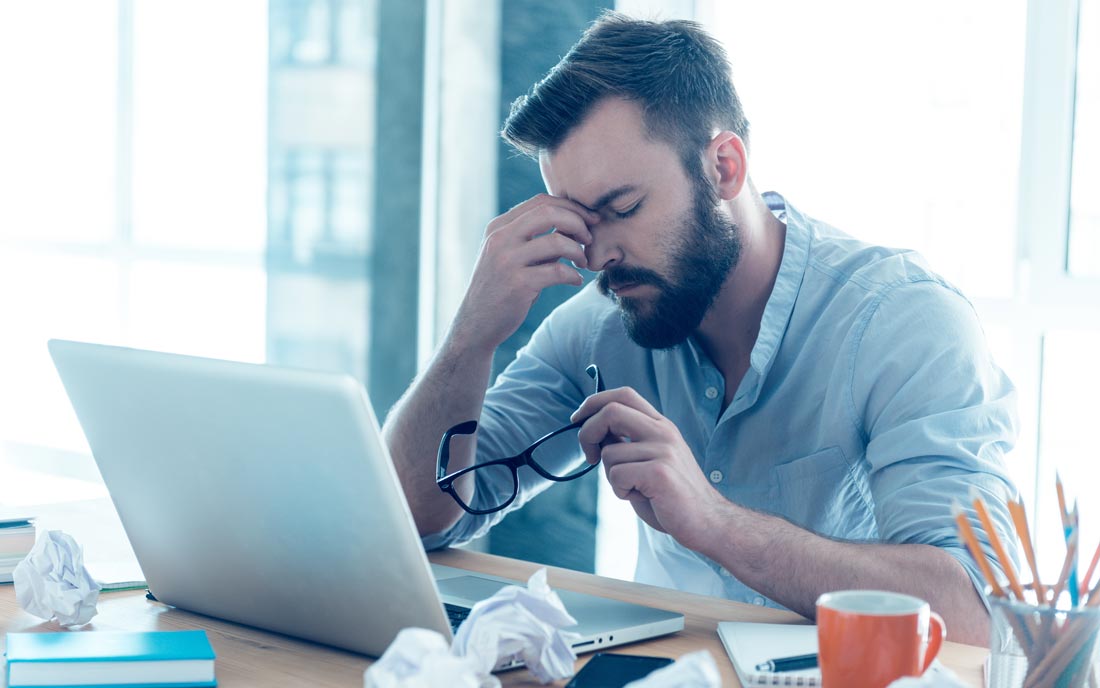
We are led to believe that stress is bad and is to be avoided, however, this is not necessarily true – some stress can actually be good for you. The key is in understanding the fundamental differences between the two kinds of stress.
The Benefits of Stress
Stress is a burst of energy that advises you what to do in any given circumstance. It can help you deal with daily challenges, motivate you to complete tasks and meet deadlines and has even been shown to enhance memory.
Stress is also key in activating the ‘fight or flight’ response.
When the brain perceives a stressful situation it reacts by sending out signals to boost production of epinephrine, norepinephrine and cortisol which cause an increase in heart rate, blood pressure and sharpens the senses. Essentially the body is put into a heightened level of awareness ready to flee from or confront a perceived danger.
Without this type of ‘stress’ our forebears may not have lived long enough to procreate.
Some scientists also believe that some stress can actually strengthen the immune system.
The Two Types of Stress
Good Stress
Good stress can help you to stay focused on a task in hand, for example completing something to a deadline, studying for exams, running a race. The effects of the ‘fight or flight’ response are short lived, lasting long enough to enable the matter in hand to be dealt with. Good stress is:
- Short lived (over in minutes or a few hours)
- Inspires action (motivates)
- Doesn’t happen regularly
Bad Stress
Conversely, ‘bad stress’, otherwise known as ‘chronic stress’ is the result of a cumulative build-up of lots of minor stressors over a period of time.
The effects of chronic stress are wide ranging on both physical and psychological levels, causing demotivation, depression, inability to sleep, loss of concentration and even lowering the immune system leading to a greater propensity to illness and infection. Bad stress is:
- Long lasting (weeks or months)
- Negative, depressing and demoralising
- Ongoing and chronic
FIND YOUR SWEET SPOT
Success Stream can help you achieve and become who you deserve to be.
The Stress Sweet Spot
The sweet spot can be seen as the peak of a parabolic curve – the spot that just enough stress allows for maximum attention and motivation to enable a task in hand to be completed. Any less stress means plodding on in a routine fashion whilst any more, or if the stress level was to continue for a long time, could result in break down.
Everyone experiences stress differently and everyone has different stress triggers and unique recovery times. For example, for some, public speaking is relatively easy, there will be a burst of good stress to enable the event to be successfully accomplished. This stress will dissipate as soon as the speech is over.
Others however will worry and stress for days, even weeks beforehand and will continue to feel stressed, for some time after; such individuals may find themselves paralysed with fear and unable to speak publicly at all.
There are several things that may affect how an individual reacts to situations:
- Outlook: optimists and those with positive mindsets are more able to look at a stressful situation as either a learning opportunity or a challenge than a threat and will therefore be less vulnerable to stress – they bounce back
- Experience: dealing with stressful events can make us more resilient. However, experiencing highly stressful situations as a child may actually leave a person less able to cope with stresses as an adult
- Genetics: some people are genetically more affected by stresses than others
- Perception: those who are able to go with the flow are likely to recover more rapidly from a stressful event than the control freak for whom being unable to let go of a situation will exacerbate the stress levels
Warning Signs that Stress is Becoming Chronic
Indications that you are not coping with stress as well as you should include:
- Insomnia or not sleeping well
- Trouble falling asleep and/or frequent waking
- Nightmares
- Over agitated during the day
- Catching every virus (colds, flu etc)
- Frequent and unexplained headaches/stomach aches/chest pains
- Tight muscles and or cramps
- Loss of libido
- Flare up of any underlying chronic illness
- Lack of energy and enthusiasm
- Pessimism and a feeling of overwhelm
- Crying often and easily upset
- Anger and irritability
- Increase in alcohol, tobacco or drug use
- Under or overeating
If you spot any of these signs in yourself or loved ones, try to follow the following advice.
How to Deal with Bad Stress
Make a list of all the stresses in your life from problems with finances to relationship issues, right down to the tiniest of things (like the horrible photo someone took of you and posted online) – these stresses are your allostatic load and if there are too many and you are unable to adequately manage the stress they cause it will become chronic, i.e. bad stress – the sort that can lead to all sorts of mental and physical issues.
Once you have identified your particular stressors you are then more able to begin tackling them by improving stress resilience and learning how to manage your allostatic load. This needs to be done holistically; some ideas for how to help in the process of improving stress resilience are:
- Eat well
- Take regular exercise
- Be in nature as often as you can
- Listen to relaxing music (or indeed any music that makes you feel happy)
- Learn mindfulness
- Try yoga
- Have a massage
- Go swimming
- Try meditation
- Spend quality time with loved ones and friends (not in front of the TV)
- Learn your limits – how much stress you can handle and accept that you are only able to accomplish so much
- Unplug from the digital world whenever you can (social media/TV etc)
- Try to view stress as a challenge which can be overcome.
Following a healthy lifestyle and learning to be less affected by the stresses in your life should help lessen your allostatic load and, eventually, turn your bad/chronic stress levels into good stress, allowing you to deal with issues when they arise rather than letting them become persistent.
Conversely, if you allow all the minor stresses in your life to become persistent, if you don’t deal with issues as they arise and let them build up, then what had previously been good stress may eventually become chronic.
We all experience stress which is in itself is neither good nor bad: however, some people are more prone to allowing stressors to develop into bad/chronic states, spotting the signs that stress levels are becoming a problem and trying to live a healthy active lifestyle should help minimise the dangers of chronic stress.
Have Your Say
What’s been your experience of good or bad stress? Leave your comments below.